Why the time to act on critical minerals is now: Insights from the Remade Institute Summit

I recently had the privilege to sit on the Critical Minerals panel at Remade Institute’s annual conference alongside John Shegerian, CEO of ERI, Ben Kincaid, CEO of ReElement Technologies Africa, Mark Newton, Head of Corporate Sustainability of Samsung Electronics North America, and Chris Saldaña, Deputy Assistant Secretary of the Office of Critical Minerals & Energy Innovation.
One of the industry’s most prominent gatherings of manufacturers, recyclers, policymakers, and researchers working toward a circular economy, the event is always a valuable reminder of both the scale of the e-waste and critical minerals challenge, and the collective will to do something about it. This year was no different, and I wanted to share some insights that stood out to me.
The Value Already Sitting Onshore
One of the most striking points raised was the sheer volume of untapped value that already exists within U.S. borders. We’re talking billions of dollars’ worth of critical metals, gold, silver, copper, palladium, rare earths, locked inside the “hibernating” devices sitting in storage units or our junk drawers at home. With the U.S. e-waste recycling rate still hovering around just 20%, most of this material that the U.S. seeks is not being recovered.
At a time when onshoring critical mineral supply chains has become both a federal priority and a national security imperative, this gap is increasingly difficult to justify. The geopolitical pressures of recent years have only sharpened the urgency. The materials we need are, in many cases, already here, but the infrastructure and policy frameworks required to recover them are not. Matt Bedingfield, Mint's Global President recently covered this issue well on the Mission Critical Podcast - I would definitely recommend a listen.
A Multi-Pronged Problem Requires a Multi-Pronged Solution
The panel was in agreement on this point: fixing one part of the e-waste supply chain is not enough. Recyclers, electronics manufacturers, governments, and communities each have an essential role. Better collection infrastructure is needed so consumers can easily return old devices. Manufacturers must design products with end-of-life recovery in mind and commit to increasing their use of recycled materials in production. Governments need to pair longer-term policy with immediate action. And data security must be addressed, as concerns about sensitive information on old devices remain a real barrier to improving collection rates. With our recent HP announcement, ongoing government engagements and expanding business plans particularly in the data destruction space, Mint is actively working through areas the wider industry has recognized.
Our recent collaboration with HP is a case in point. As an industry first, this partnership produced closed-loop recycled copper, recovering copper from HP’s e-waste and returning it directly into their supply chain. It’s exactly the kind of model the industry needs more of: manufacturers and recyclers working together to close the loop and demonstrate that circular supply chains are not just possible, but commercially viable.
From Conversation to Action
What struck me most at the conference was not the scale of the challenge. We’ve known that for some time, but the growing sense that the time available to make slow, small, gradual improvements is running out, and that more decisive, large-scale action is now needed. The urgency that began building a few years ago has not dissipated. If anything, it has sharpened. Forums like the Remade Summit matter because they bring together stakeholders who can make a difference. But the conversations must turn into coordinated action. There is no shortage of awareness or desire for change, so what we need now is execution.
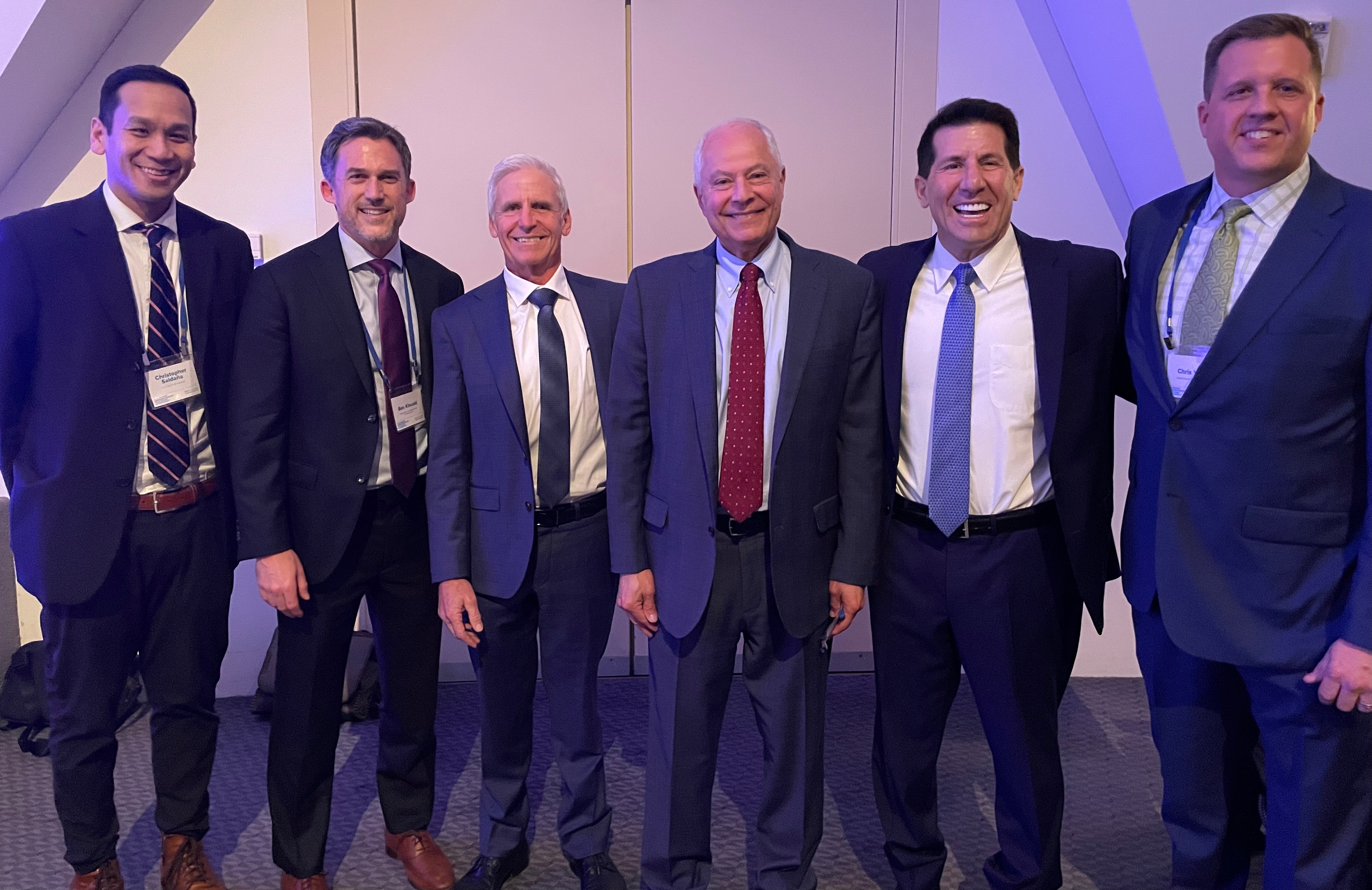
At Mint Innovation, we’re committed to being part of that solution - investing in the technology, secure data destruction, and partnerships needed to make domestic critical minerals recovery a commercial reality in the U.S. and beyond. I look forward to being part of the progress that is unfolding across sectors, and to continue having conversations that will help us get where we need to be.
More articles from us

Australian Government supports Mint Innovation with $4.2 million and other companies to reduce emissions and grow recycling
November 18, 2021
Australian Government supports Mint Innovation with $4.2 million and other companies to reduce emissions and grow recycling
November 18, 2021
.png)
